
Estimated reading time: 3 minutes
What you’ve told us
We like to understand what life is like for you – when you receive your diagnosis, when you make a choice about what to do next, and after you have your treatment. No two men will have exactly the same experience, but we do know there are many things that you will have in common.
Running surveys via our website helps us get a better picture of how things are tracking for men at different points in their prostate adventure.
We also use the information provided to us (always anonymously) to push for changes in the healthcare system to improve men’s lives (especially after treatment).
Our surveys so far
Experiencing incontinence

From 1 December 2025 until the first week of January 2026, we ran this survey that focused on men’s experiences dealing with bladder incontinence after their prostate cancer treatment.
84 men responded to the survey and you can view the results in a PDF by clicking on the link below.
Survey Results – Experiencing Incontinence
Related articles
Pathways to Prostate Cancer Diagnosis
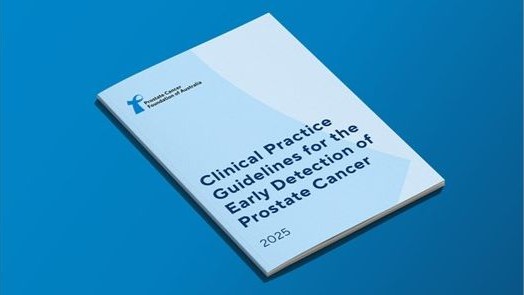
This survey was designed to capture a “snapshot” of men’s individual pathways to their diagnosis with prostate cancer. We used the responses to inform our submission to the Draft 2025 Guidelines for the Early Detection of Prostate Cancer in Australia.
The survey ran from 24th April 2025 to 16th May 2025. 264 responses were received. You can view the survey results and analysis by clicking on the link below.
Survey Results – Pathways to Prostate Cancer Diagnosis
Related articles
- Prostate cancer testing in Australia
- PSA testing in Australia
- Why is prostate cancer testing so confusing?
Supportive Care after Prostate Cancer

We created a brief survey to explore how men felt about their level of support after treatment (or during long-term ongoing treatment). The survey aimed at identifying “unmet needs” and ran from January to March 2023. We received 83 responses.
You can view the survey responses by clicking on the link below.
Survey Results – Supportive Care after Prostate Cancer Treatment